
Using scribes can help reduce documentation burden, but when that scribe is a physician assistant (PA) or nurse practitioner (NP), things can get complicated quickly.
What Defines a Scribe?
A scribe’s role is strictly to document the physician’s or NPP’s work during the encounter. They do not act independently, contribute to care, or perform any part of the service. Their function is purely that of a recorder within the medical record or EHR.
Where Confusion Happens
Because PAs and NPs are licensed providers who can independently perform and bill for services, using them as scribes requires clear boundaries.
If a PA or NP:
- Takes a history
- Performs an exam
- Contributes to medical decision making
They are no longer functioning as a scribe. Instead, the visit may fall under split/shared or incident-to services, depending on the setting.
Documentation Considerations
While CMS does not require scribes to sign or date documentation, the treating provider’s signature serves as attestation. However, when a PA or NP is acting as a scribe, best practice—and in some cases, contractor requirement—is to clearly identify their role in the record to avoid confusion.
Final Takeaway
Using PAs and NPs as scribes isn’t prohibited—but it demands clarity. Organizations should ensure roles are well-defined, documentation is explicit, and contractor-specific guidance is followed to stay compliant.
📖 Sources: CMS Signature Requirements; Novitas; CGS; ACEP
Meet the Presenter: Emily Lomaquahu, CPC, CPMA, CEDC
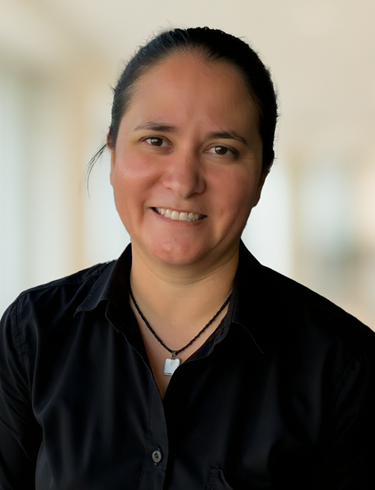 Emily is a Senior Coding Quality Auditor for Haugen Consulting Group and brings over a decade of experience to the profee team! She began her career as an auditor and with her keen eye for detail, she quickly found it was a perfect fit. Emily thrives in a collaborative environment and enjoys creating high-quality trainings to help providers and coders navigate charts and improve their accuracy. She earned a bachelor’s degree from the University of Colorado, in Denver. Emily specializes in Evaluation and Management (E/M), Primary Care, Anesthesia, Emergency Department, and Neurology, though she says Anesthesia and Neurology are her favorites! She is a Certified Professional Coder (CPC), Certified Professional Medical Auditor (CPMA) and Certified Emergency Department Coder (CEDC).
0 Comments