
This page addresses follow-up questions and additional information pertinent to our webinar
Surgical Modifiers: The Secret Sauce of Coding Precision
** The coding information and guidance are valid at the time of publishing. Learners are encouraged to research
subsequent official guidance in the areas associated with the topic as they can change rapidly.
Q: A patient returns to the clinic 45 days into a 90-day global period for an unrelated rash. Which modifier belongs on the Evaluation and Management (E/M) code: -24, -25, or -57?
A: Modifier 24.
Modifier 24 explicitly denotes an unrelated E/M service during a postoperative period. If omitted, the payer assumes the visit is routine post-op care and denies the claim as bundled.
Q: If a surgeon performs an unrelated surgical procedure during a global window, what is the exact modifier that signals to the payer, “Do not bundle this into the global fee”?
A: Modifier 79.
Modifier 79 is for unrelated surgical procedures by the same physician during a global period. It resets a new, separate global period for the new surgery and pays at 100% of the fee schedule.
Q: Why does Medicare reduce the reimbursement rate for Modifier 78 but typically pays 100% of the fee schedule for Modifier 58?
A: Pre- and post-operative care values are already paid.
For a complication (-78), you are already being paid to look after that patient post-operatively via the original surgery’s global package. Therefore, payers only pay the intra-operative portion (usually ~50-70% of the fee). A staged surgery (-58) represents a brand-new, anticipated block of work and is fully compensated.
Meet the Presenter: Mary Bort, CPC, CPMA, CANPC, CASCC, COSC
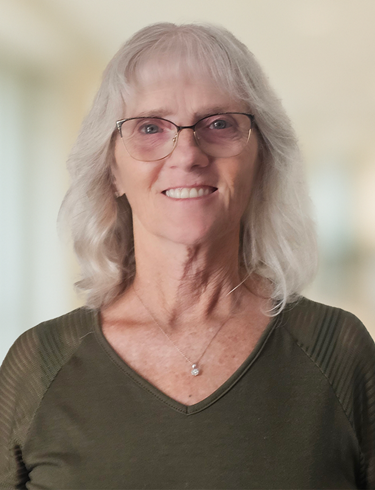 Mary is a Senior Coding Quality Auditor for The Haugen Consulting Group with over 30 years of health care industry experience. She started her career in Orthopedics which was her passion for decades. In addition to Orthopedics, she provides expertise in other specialties such as Anesthesia, Ambulatory Surgery Center, as well as most surgical specialties . She has experience working the professional fee side of coding, audit, education as well as compliance, serving both coders and physicians, as well as the surgical side. She is a Certified Professional Coder (CPC), Certified Professional Medical Auditor (CPMA), Certified Anesthesia Professional Coder (CANPC) Certified Ambulatory Surgery Center Coder (CASCC) and Certified Orthopedic Surgery Coder (COSC).
0 Comments